Bring the Rainforest to Your Windowsill
Today we dive into creating lush windowsill terrariums that mimic rainforest layers, translating the canopy, understory, and forest floor into a living miniature. You will learn approachable methods, gentle care routines, and design choices that turn a simple glass vessel into a thriving, mist-kissed world that invites daily wonder, mindful observation, and the quiet satisfaction of nurturing complex life in a small, beautiful space.
Miniature Canopy Dynamics
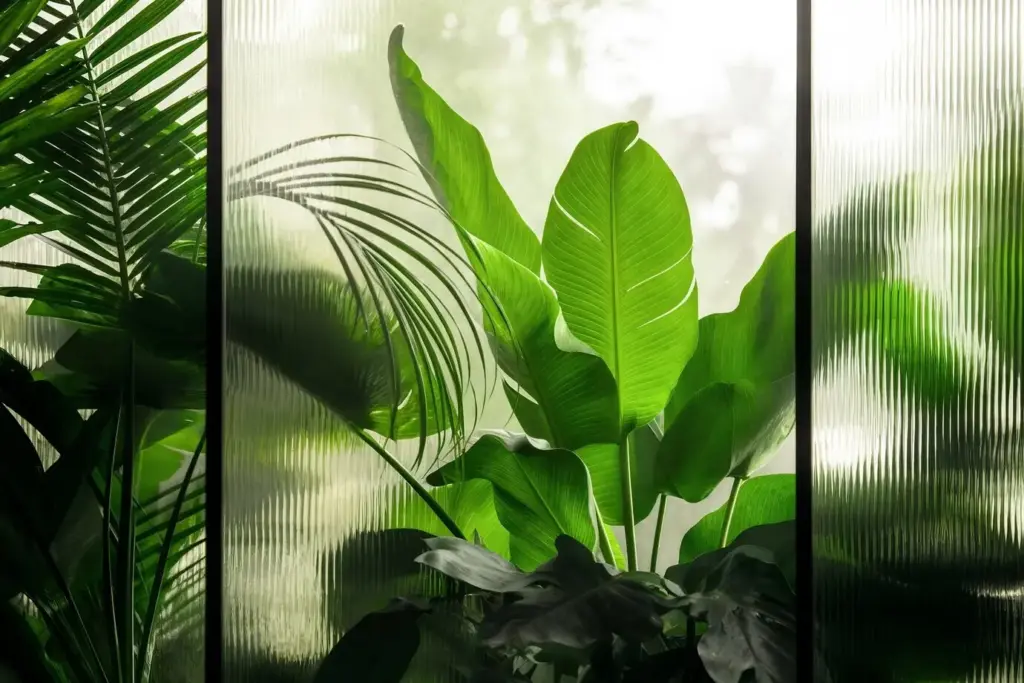
In the canopy tier, small-leaved, upright or vining plants provide dappled shade without blocking all light. Gentle pruning establishes branching that lets lower layers breathe. Anchoring stems to slender twigs simulates tree architecture, steering growth upward instead of outward. This airy green ceiling softens brightness near the glass, protects delicate mosses below, and creates a focal line that guides the eye, making your terrarium feel taller, deeper, and far more immersive.
Understory Shade and Texture
Below the canopy, the understory thrives in consistent humidity with bright, indirect light. Think fine textures, patterned leaves, and slow growth that rarely touches the glass. Choose plants that enjoy shelter yet tolerate occasional airflow when you vent the lid. Their gently arching forms connect upper stems to the ground layer, stitching the composition together. With mindful spacing, this band becomes a quiet, stable engine that moderates moisture and keeps the whole arrangement harmonious.

Glass Forms and Visibility
Belly jars, apothecary vessels, and low bowls each create a distinct microclimate and viewing experience. Bulbous sides promote gentle convection, clearing light fog. Tall, narrow forms emphasize vertical layering but demand careful canopy pruning. Wide openings simplify planting and rearranging, making early experimentation less stressful. Consider reflections, reach distance, and how sunlight skims the surface throughout the day. When vessel shape supports both climate and access, everyday care becomes effortless and deeply enjoyable.
Drainage Foundations That Disappear
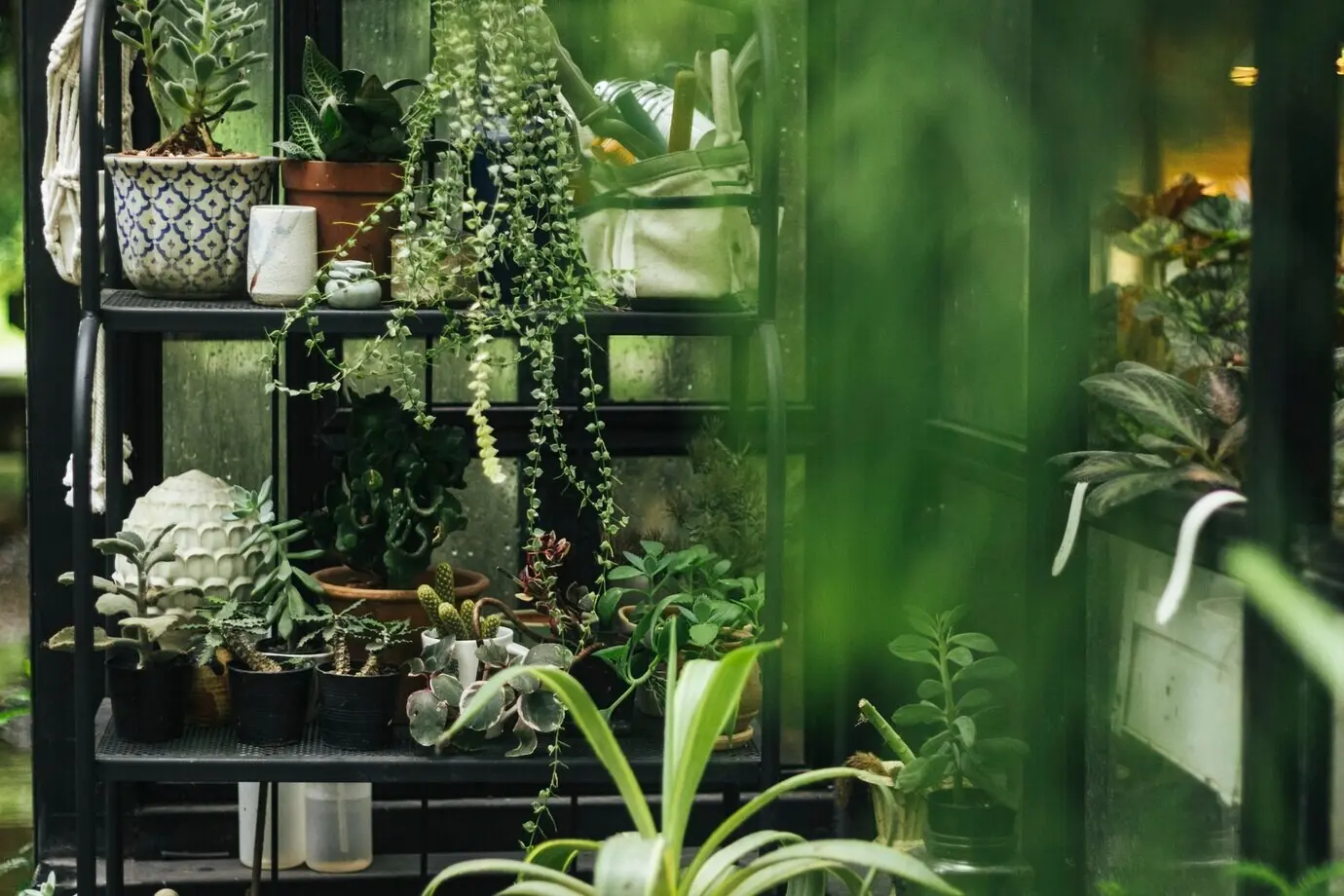
A hidden false bottom—made from LECA, lava rock, or coarse gravel—protects roots from stagnant water. Cover it with mesh or window screen to keep finer substrate above. This quiet safeguard prevents sour smells, algae blooms against the glass, and root collapse after enthusiastic watering. Because it is invisible during display, you enjoy visual purity while benefiting from technical reliability. Over months, this discrete foundation becomes the difference between sustained vigor and slow, puzzling decline.
Plant Palette Mapped to the Strata
Choosing plants for each layer turns vague inspiration into dependable growth. Favor compact species with fine leaves, modest thirst, and willingness to share space. Prioritize plants that enjoy bright, indirect light and stable warmth near a window. Curate contrasting textures—matte, glossy, feathered—so every glance feels fresh. When each specimen’s pace, height, and moisture preference complements its neighbors, your terrarium becomes self-coaching, signaling exactly when to trim, mist, or simply admire and leave undisturbed.
Soils, Charcoal, and Nutrient Cycles
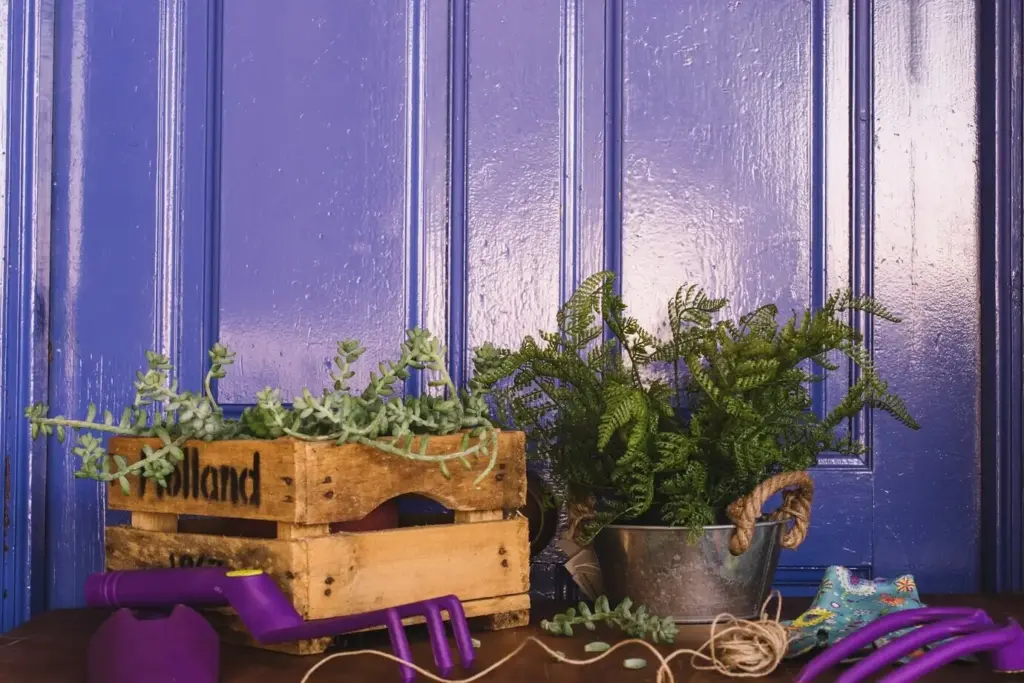
Terrarium substrates favor structure and cleanliness over heavy fertilization. Blend moisture-retentive fibers with airy particles so roots find both water and oxygen. Activated charcoal absorbs odors and moderates chemistry. A thin layer of leaf litter feeds microbes slowly, turning fallen bits into gentle nutrition. This restrained approach avoids surges that cause legginess or mold. Over time, your micro-ecosystem rewards patience, growing denser, cleaner, and more vivid through thoughtful layering rather than constant external inputs.
Light, Water, and Air: Gentle Balances
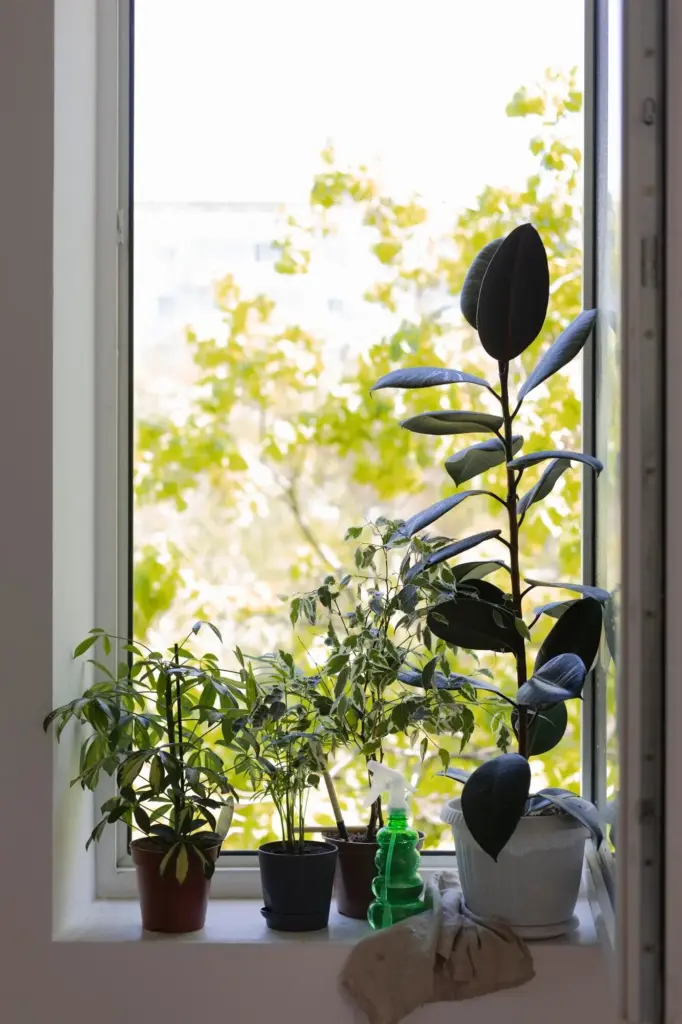
Windowsills offer bright, shifting light that can be softened with sheer curtains or thin parchment. Rotate the vessel weekly to even growth. Water minimally, with precision, to avoid pooling at the glass. Vent briefly after heavy misting or during warm afternoons to prevent stale pockets. By observing condensation arcs, leaf posture, and moss sheen, you learn to tweak tiny variables. The reward is steadiness: a living scene that hums quietly, unhurried, through every changing day.
Care, Pruning, and Tiny Challenges
Sustained beauty comes from light touches delivered often. Trim tips before they press the glass, remove yellowing bits early, and observe weekly for subtle shifts. Keep a soft brush to sweep debris from moss. When challenges arise—mold fuzz, a gnat or two, a drooping stem—respond calmly and incrementally. Because the ecosystem is small, your actions echo quickly. With patience and humility, you will cultivate an environment that forgives mistakes and deepens in character every month.



Design, Story, and Ongoing Discovery
Beyond horticulture lies narrative: a fallen branch becomes a ridge line, a pebble suggests a streambed, and a fern frond marks a hidden path. Compose with negative space, guiding the eye in curves rather than lines. Let slopes pull light across textures. Over months, the scene will refine itself, revealing characters you did not plan. Share photos, invite questions, and record small experiments. Your windowsill becomes a studio where curiosity and patience coauthor living art.
All Rights Reserved.