Bring North-Facing Rooms to Life with Tropical Greenery
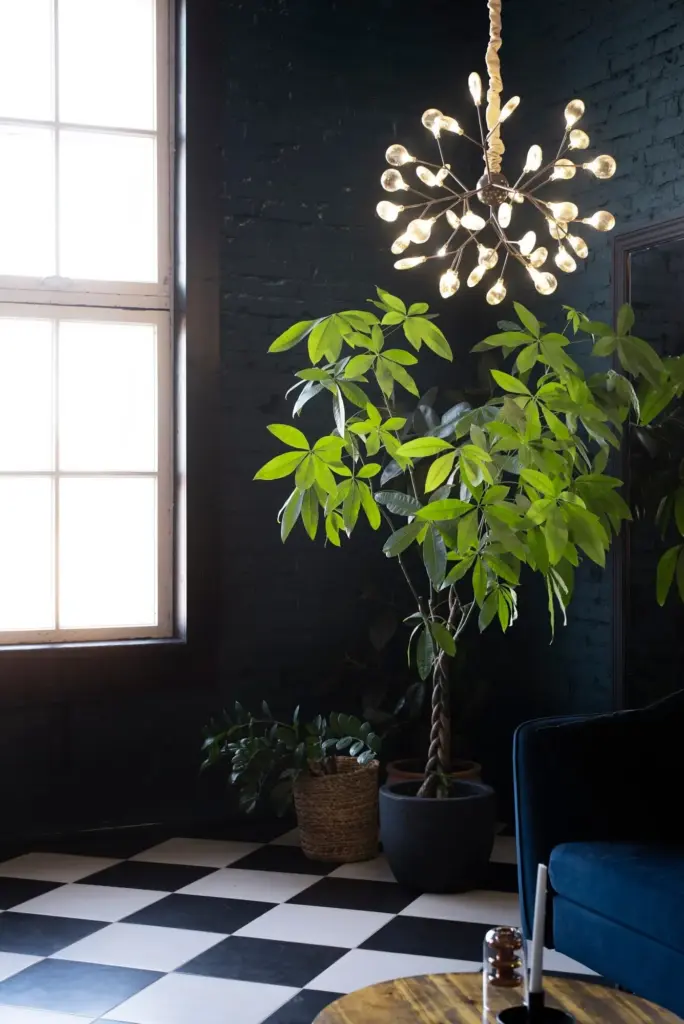
Step inside a calm, luminous approach to indoor gardening as we explore low-light window strategies and tropical plant selections for north-facing rooms. Discover how to maximize gentle daylight, position resilient species, and create serene, long-lasting vignettes that thrive without harsh sun. We will share practical placement tips, care routines, and design ideas, plus real stories from growers who transformed dim corners into breathing sanctuaries. Join the conversation, ask questions, and share photos of your favorite northern-window companions.

Know Your Northern Light

How North Light Moves Across the Day

In the morning, north light wakes slowly, building to a quiet plateau by midday, then waning without dramatic glare. Plants respond with patient photosynthesis, preferring stable positions. Observe shadow softness on your walls; that subtle gradient reveals where trailing vines and broad leaves relax best.

Seasonal Shifts and Window Geometry

Winter lowers the sun and flattens brightness, yet north windows remain consistently gentle, protecting tender foliage from scorch. Deep overhangs, recessed frames, and balconies can cut light further. A simple floor plan sketch helps you predict dim pockets and arrange supportive mirrors or lighter surfaces.

Measuring Light: Lux, Foot-Candles, and Simple Tests

A phone light meter app gives a quick estimate, but pair it with the leaf-shadow test: crisp edges imply brighter zones, fuzzy outlines suggest safer shade. Note readings at breakfast, lunch, and evening. These snapshots guide spacing so roots, stems, and leaves share resources wisely.

Strategic Placement and Reflection
Sheers, Mirrors, and Pale Walls

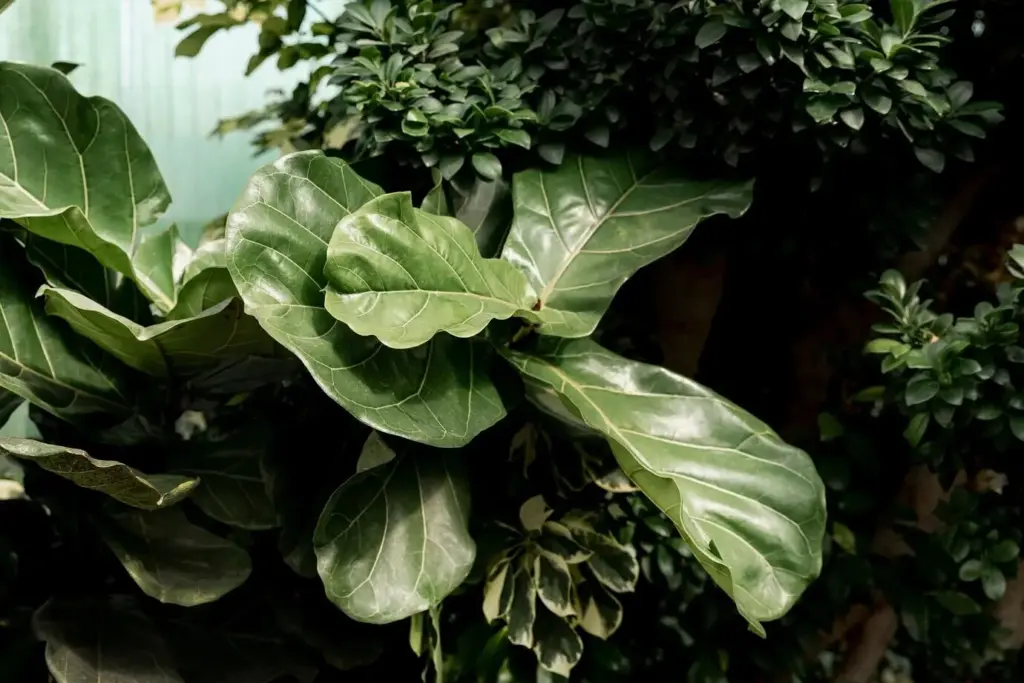
Sheers blur harsh contrasts, evening out the scene so leaves collect photons steadily. One large mirror placed opposite the window doubles perceived brightness, while creamy paints lift the baseline. Test by moving a paperback’s shadow; the softest, widest blur marks your sweet spots.

Height Staging and Distance from Glass

Tier plants by tolerance and stature: resilient pothos trails slightly deeper in the room, while fussier aglaonemas sit closer to reflections. Keep foliage a few inches off cold panes to prevent chills and condensation. Rotate a quarter turn monthly to balance growth gracefully.

Furniture, Radiators, and Draft Awareness

Bookshelves and sofas can shade leaves, while radiators dry air and heat roots unevenly. Leave breathing space behind pots and use simple felt pads to slide containers during cleaning. On windy nights, seal leaky frames; your philodendrons will hold moisture and color far better.

Heartleaf Philodendron: Generous and Forgiving

Trailing from shelves or looping around a discreet moss pole, heartleaf philodendron accepts soft brightness and occasional neglect. Its matte, cordate leaves communicate needs clearly: pale spacing signals more light, tight stacks suggest comfort. Snip nodes to root in water and multiply your calming canopy.

ZZ Plant: Glossy Endurance with Minimal Fuss

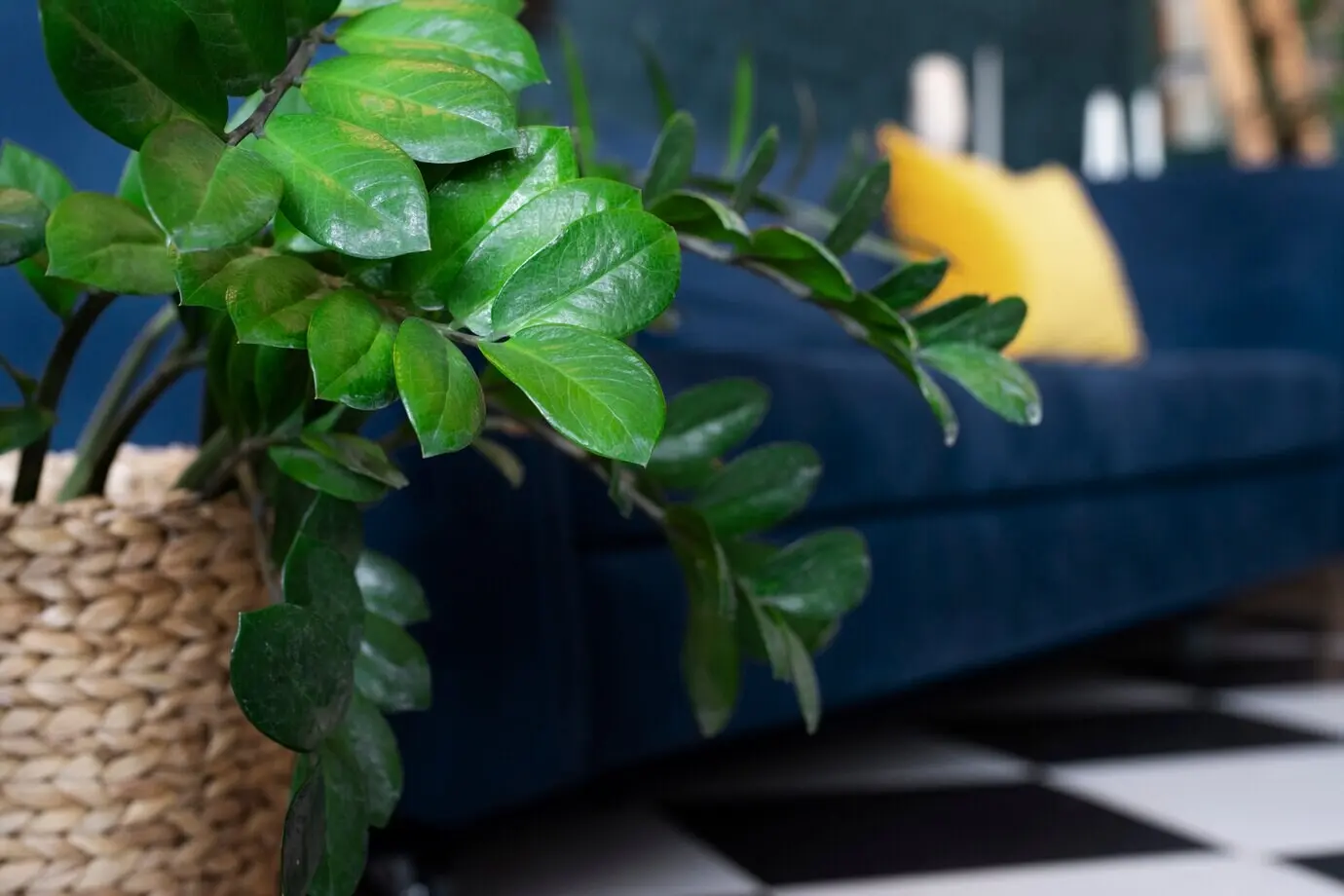
Zamioculcas grows slowly in dim corners, storing energy in rhizomes that safeguard against missed waterings. Wipe its thick leaves to improve light capture, then watch new spears unfurl with deliberate grace. A single accent beside a mirror can anchor an entire reading nook beautifully.

Right-Size Watering for Slow Photosynthesis

Probe soil two knuckles deep; if it feels cool and barely damp, wait a day. In dim rooms, overwatering suffocates roots quickly. When you do water, saturate fully and drain thoroughly, preventing perched water. Record intervals; patterns emerge that reduce anxiety and keep growth steady.

Grouping, Pebble Trays, and Humidifiers
Cluster compatible species to raise localized humidity through gentle transpiration, echoing a rainforest understory. Pebble trays add surface area for evaporation without soaking pots. If winter heat dries everything, run a small ultrasonic unit on a timer. Leaves relax, edges smooth, and pests stay away.

Clean Leaves, Gentle Fans, Strong Roots
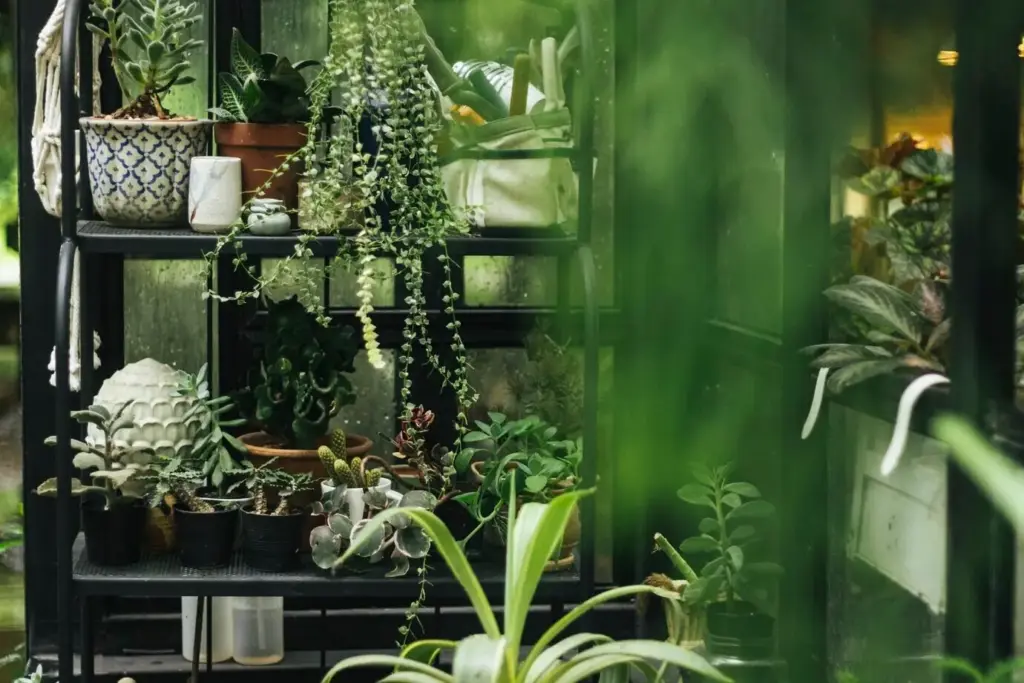
Dust blocks precious light and clogs pores. Wipe with a damp, soft cloth monthly, supporting each leaf from beneath. A quiet fan on low encourages sturdier stems and deters fungus. Together with careful watering, this airflow nurtures resilient roots that anchor confident, enduring canopies.

The Aroid-Friendly Mix That Breathes

Blend chunky orchid bark, airy coco coir, perlite or pumice, and a pinch of compost to feed microbes. This open matrix resists compaction, letting water pass while roots grip happily. Test by squeezing; it should spring apart, signaling structure that supports steady, forgiving routines.

Choosing Pots: Terracotta, Plastic, or Ceramic

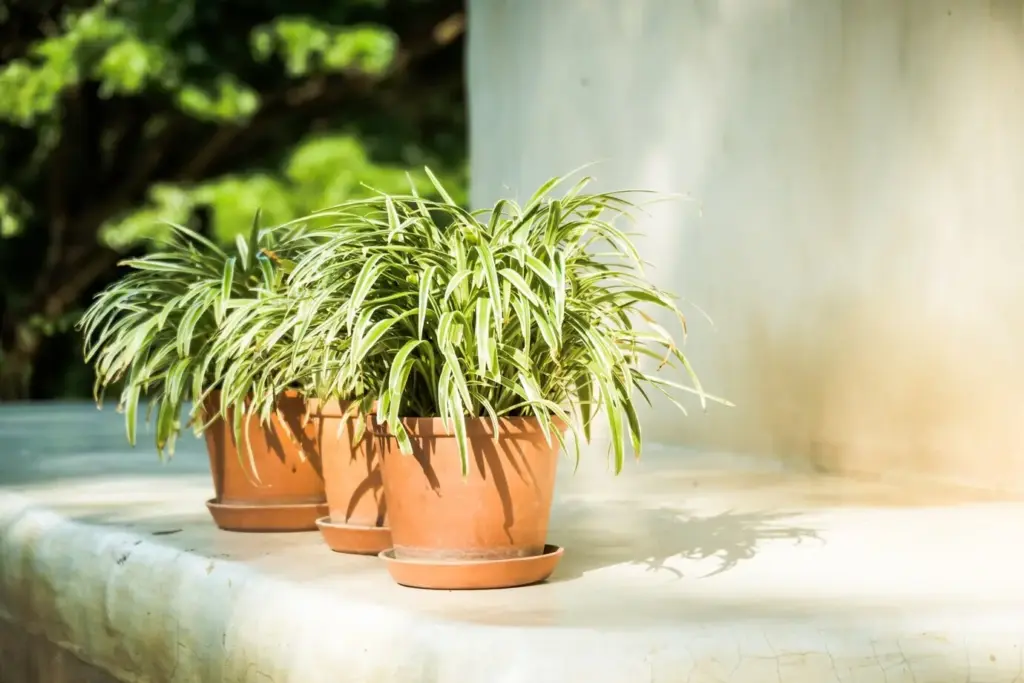
Terracotta breathes and dries quickly, great for generous waterers. Plastic holds moisture, useful for travelers and forgetful caretakers. Ceramic offers balance and visual presence. Ensure drainage holes, add a mesh square, and use saucers that fit. Function and beauty together make daily care effortless.

Repot Cues and Stress-Free Transitions

Wait for roots circling the base, soil collapsing, or watering frequency spiking. Gently loosen the rootball and reset into fresh mix only one size up. Water lightly to settle, then pause fertilizing for a month. Plants reward patience with calmer, more resilient new growth.

Discreet Light Boosters That Keep Ambience
Sometimes a tiny nudge completes the picture. A slim, full-spectrum LED tucked behind a curtain rod or bookcase can extend daylength without harshness. Calibrate duration, respect natural rhythms, and keep evenings cozy. The goal is realism, not glare, ensuring restful rooms and steady foliage.

Troubleshooting and Gentle Corrections

Leggy Stems and Pale Leaves

Excess reach means insufficient photons or too much warmth. Nudge plants closer to reflected zones, prune to a healthy node, and propagate cuttings for fullness. Pair the reset with steadier hydration and a slightly airier mix. Expect denser growth within the next cycle.

Yellowing and Damp Soil Woes

Excess reach means insufficient photons or too much warmth. Nudge plants closer to reflected zones, prune to a healthy node, and propagate cuttings for fullness. Pair the reset with steadier hydration and a slightly airier mix. Expect denser growth within the next cycle.

When to Prune, Propagate, and Restart

Excess reach means insufficient photons or too much warmth. Nudge plants closer to reflected zones, prune to a healthy node, and propagate cuttings for fullness. Pair the reset with steadier hydration and a slightly airier mix. Expect denser growth within the next cycle.

Xolalemanizafa
Privacy Overview

This website uses cookies so that we can provide you with the best user experience possible. Cookie information is stored in your browser and performs functions such as recognising you when you return to our website and helping our team to understand which sections of the website you find most interesting and useful.