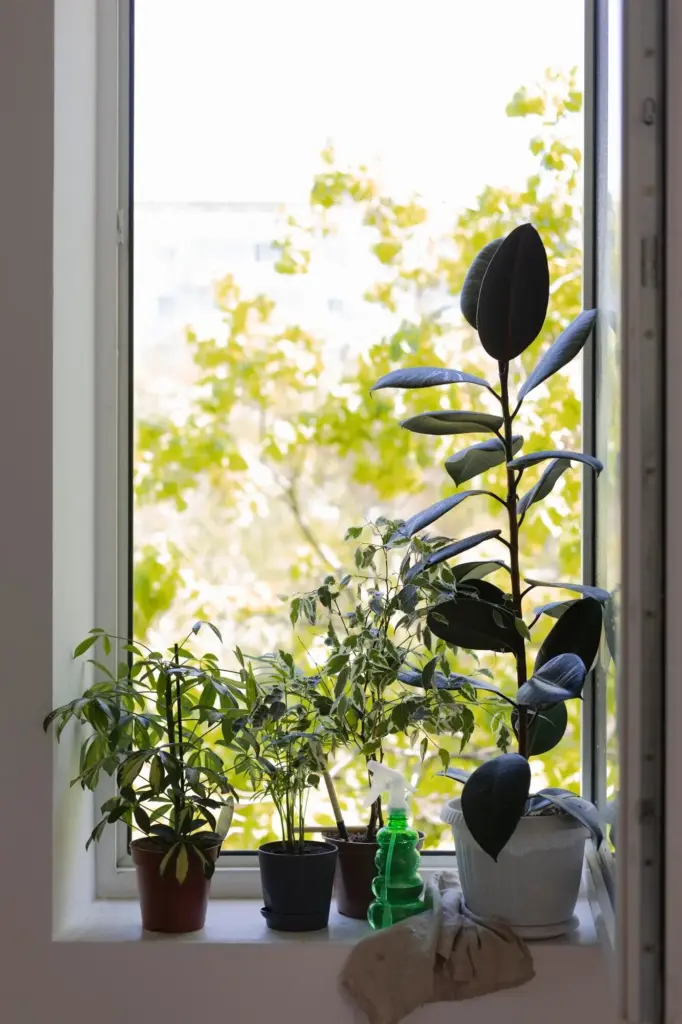
Turn Your Window Ledge into a Lush Jungle

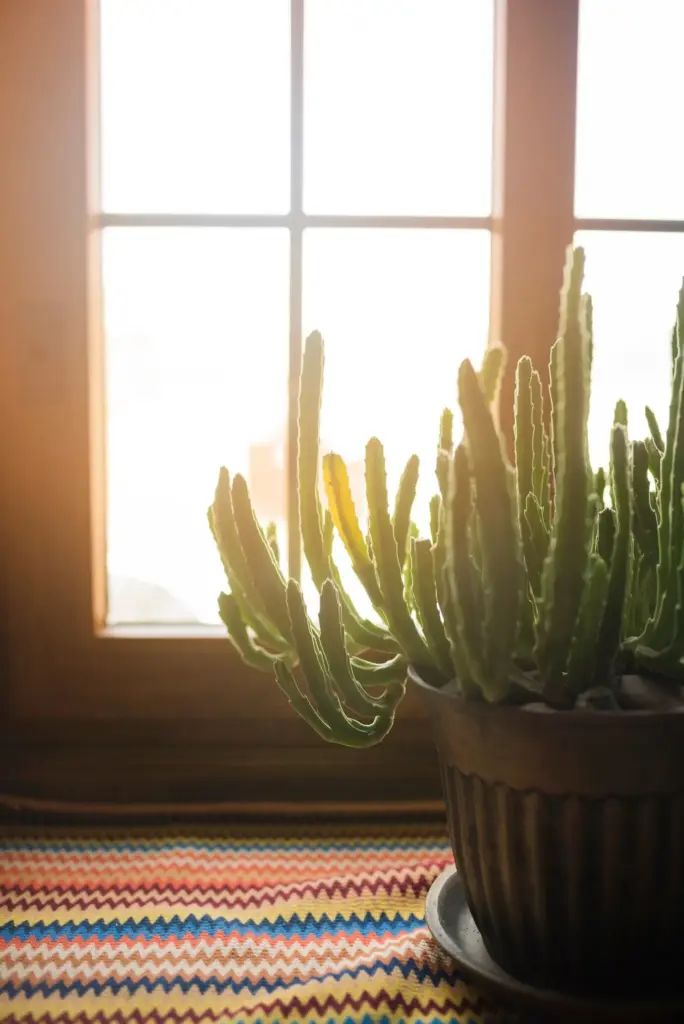
Today we explore compact climbers and trailers that deliver a jungle aesthetic on window ledges, transforming narrow sills into living green canopies with movement, texture, and light. Expect plant picks, styling tricks, and care routines that keep vines thriving while respecting tight spaces. Share your ledge photos and window direction in the comments and subscribe for weekly, practical inspiration.

Light, Aspect, and Placement for Thriving Vines

Compact Vines That Stay Graceful on Small Sills

Choose plants that climb or cascade with control, accept pruning, and keep internodes tidy. Think plush leaves, silvery splashes, and whimsical strings that trail like jewelry across a ledge. We’ll balance tolerance, light needs, and pet considerations. Expect honest guidance: some icons demand patience, others forgive forgetful watering. Mix personalities so your window reads like a miniature, ever-changing canopy.

Reliable Low‑Maintenance Cascaders

Golden pothos, satin pothos (Scindapsus pictus), and philodendron micans adapt brilliantly to bright indirect light, calmly bridging gaps between sunny bursts and cloudy spells. They forgive occasional drought, rebound after trims, and layer beautifully. Note toxicity for pets; place thoughtfully. Keep vines compact by nipping nodes above a leaf, encouraging branching that thickens your ledge into a plush, photogenic curtain of green.

Bright‑Light Showpieces That Reward Patience

Hoya linearis and Hoya carnosa adore bright light, eventually delivering sculptural cascades and waxy blooms. Ceropegia woodii drapes fine silvered hearts, while string of pearls or bananas prefer high brightness and careful watering. Cissus discolor dazzles with velvety contrasts but appreciates humidity. These stars shine when light is ample and watering is restrained, rewarding careful placement with ethereal movement and surprising resilience.

Pet‑Safer Choices for Playful Homes

Peperomia prostrata (string of turtles) beads gently over edges, spider plant tosses playful arcs, and many Hoyas are generally regarded as non‑toxic. Always verify for your household. These options bring geometry and calm charm without constant fuss. Elevate on small risers to capture light, and let gentle pruning maintain scale. Together, they build a welcoming, worry‑reduced ledge where curiosity meets safety.

Containers, Supports, and Clever Hardware

Smart vessels and discreet supports transform cramped ledges into naturally flowing displays. Slim pots keep roots happy and footprints tidy, while micro‑trellises coax upward gestures without bulky poles. Hardware should be stable, removable, and wall‑friendly. With the right anchors, clips, and frames, vines sweep and layer in visually satisfying lines that remain easy to water, prune, and rearrange throughout the year.

Slim Pots, Cachepots, and Saucers with Purpose

Choose lightweight nursery pots slipped into snug cachepots to combine drainage with polish. Oval or narrow containers hug the sill, granting extra inches for foliage. Low‑profile saucers protect paint and stone while catching spills. Consider self‑watering inserts for travel days, but ensure air still reaches roots. When repotting, step up gradually, preventing soggy mix that encourages leggy growth and unnecessary root stress.

Micro‑Trellises, Wire Grids, and Frames

Mini trellises, copper hoops, and slim wire grids guide vines upward without crowding. Rhaphidophora tetrasperma and Monstera adansonii respond beautifully to gentle support, creating depth behind cascades. Use removable adhesive hooks, fishing line, or plant clips to train tendrils along subtle lines. Keep tension light, check attachment points monthly, and celebrate the pleasing contrast between climbing arcs and trailing lengths below.
Mix Recipes That Drain Fast but Hold Just Enough

Blend high‑quality potting soil with chunky perlite or pumice, a scoop of orchid bark, and a pinch of horticultural charcoal. This structure keeps oxygen moving while storing fleeting moisture. Add extra bark for Hoyas, slightly more soil for pothos. Stir thoroughly, hydrate lightly before potting, and never pack tightly. Loose texture fuels roots, reducing rot risk and encouraging sturdy, compact internodes.

Watering Rhythm for Narrow Ledges

Use bottom watering occasionally to hydrate evenly without runoff, but let pots drain thoroughly. Between sessions, lift each pot: light weight signals thirst better than a calendar. Check top inch for dryness, then water until it runs clear. Avoid saucer stagnation. In bright seasons, expect quicker cycles; during winter, slow down. A consistent touch delivers lush foliage without swelling pots or sour smells.

Styling a Layered Canopy on a Windowsill

Texture, Leaf Size, and Color Contrast

Pair velvety philodendron micans with speckled Scindapsus pictus for tactile drama, then interrupt with the crisp arcs of a spider plant. Use dark pots to anchor pale foliage, or pale ceramics to brighten deep greens. Repeat accents three times for cohesion. Restrain variegation elsewhere to let statement vines shine. The interplay creates depth, making even tiny apartments feel delightfully expansive.

Compositions for Morning, Midday, and Evening Light

East‑facing sills glow softly at breakfast, perfect for gentle cascaders framing a coffee ritual. Midday brightness favors compact climbers on trellises that catch highlights without scorching. Evening hours call for warm bulbs bouncing off leaves, turning windows into silhouettes. Curate moments: a reading nook, a quiet stretch, a dinner sparkle. Your ledge becomes choreography, guided by sunlight and personal routines.

Storytelling with Objects, Books, and Natural Finds

Nestle vines beside stacked paperbacks, smooth river stones, and a treasured mug to express personality. A brass mister becomes sculpture, while driftwood guides tendrils artfully. Rotate small objects seasonally to refresh energy. Keep surfaces clear enough for watering and dusting. The conversation between plants and keepsakes invites guests to linger, ask questions, and genuinely connect with your everyday green sanctuary.

Water‑Rooting Nodes for Quick Wins
Choose healthy vines with visible nodes or aerial nubs, cut cleanly below a node, and slip into clear water. Bright, indirect light encourages tidy roots without algae explosions. Change water every few days, then pot once roots are a few centimeters long. Start small, maintain humidity, and avoid overpotting. Celebrate each success by documenting progress and sharing simple tips with newcomers.

Soil Propagation for Strong Starts

Dip cut ends in rooting hormone if desired, then plant into pre‑moistened, airy mix. A clear cover or humidity dome steadies moisture while allowing airflow. Resist tugging; check progress after several weeks. Bottom warmth can speed results. Transition gradually to brighter light, pruning once to encourage branching. These rooted plants often establish faster, building bushy silhouettes that thrive on small ledges.

Trade, Swap, and Share to Build Community
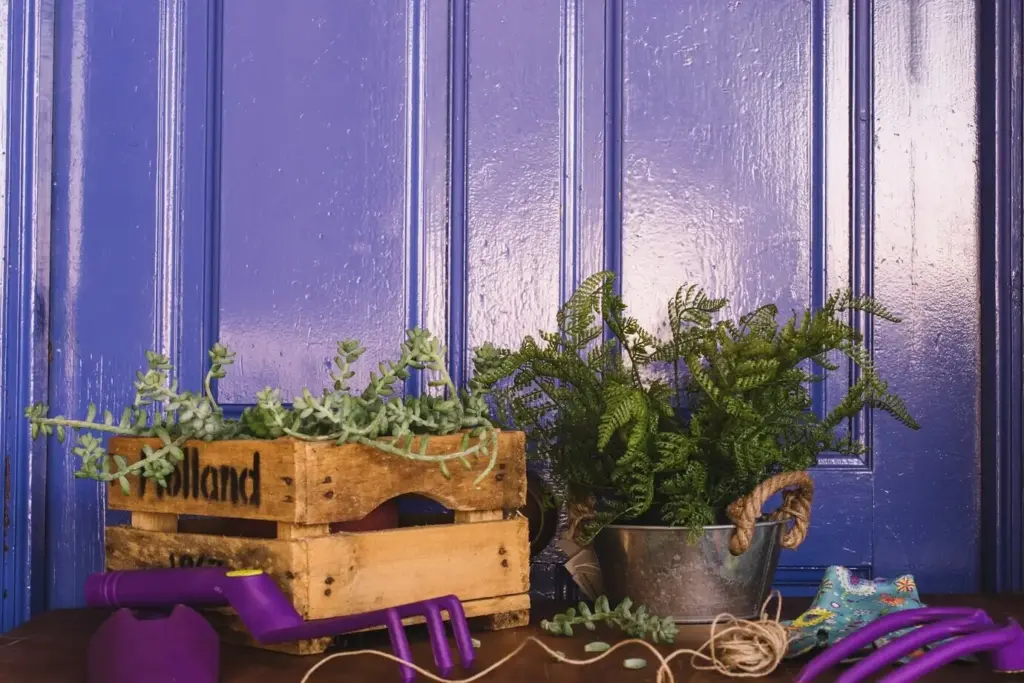
Host a neighborhood swap or join local groups where cuttings find new homes. Offer labeled bags, care cards, and honest notes about light demands. Celebrate wins and calmly troubleshoot losses together. Feature community stories in comments, invite photo updates, and subscribe for monthly swap prompts. The generosity keeps collections balanced, costs low, and friendships growing right alongside your vines.

Seasonal Swings, Pests, and Gentle Fixes

Windows change character with the calendar, and so do vines. Heatwaves dry pots instantly; winter drafts slow growth and tempt overwatering. Meanwhile, spider mites and mealybugs lurk when air gets still. With early checks and soft interventions, you’ll keep leaves vibrant. Adjust care by season, quarantine newcomers, and document observations so your window jungle strengthens with every passing month.
Xolalemanizafa
Privacy Overview

This website uses cookies so that we can provide you with the best user experience possible. Cookie information is stored in your browser and performs functions such as recognising you when you return to our website and helping our team to understand which sections of the website you find most interesting and useful.